Why Court Coverage Is Necessary for Accurate Legal Paperwork
Court coverage plays an essential function in the lawful system. It provides a precise, verbatim record of court process. This accuracy is essential for preserving the stability of lawful procedures. Mistakes in documentation can result in considerable effects for instance outcomes. As legal professionals progressively rely upon these records, understanding the nuances of court reporting becomes required. What aspects add to the performance of this technique in ensuring justice?

The Duty of Court Reporters in the Legal System
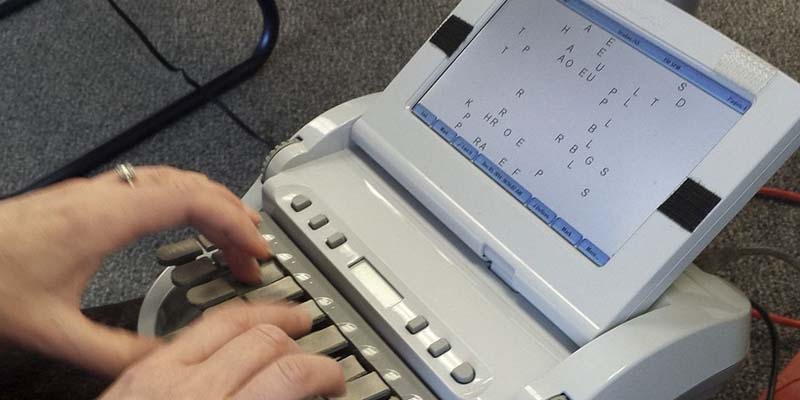
Court press reporters work as the crucial web link between spoken testimony and created document in the legal system. They are responsible for recording verbatim accounts of court procedures, guaranteeing that every word talked is properly recorded. This transcription becomes a main document, necessary for charms, legal study, and maintaining the stability of judicial procedures. Stenotype reporter utilize specific devices and strategies, such as stenography, to facilitate this specific documentation. Their role extends beyond plain transcription; they should comprehend legal terminology and court procedures to ensure clearness and context in their records. Additionally, court reporters preserve privacy and impartiality, adding to the general justness of the lawful procedure. Their job is essential for parties, judges, and attorneys included in litigation, as it offers a reputable account of process that can be referenced in future lawful actions. Through their expertise, stenotype reporter copyright the standards of justice within the legal system.
Making Sure Precision in Legal Records
Maintaining accuracy in legal records is paramount to the stability of judicial process. Court press reporters play an important role in recording every spoken word throughout trials, depositions, and other legal setups. Their competence in stenography and experience with lawful terms warranty that transcripts mirror the exact dialogue and subtleties of the situation. Any kind of noninclusions or mistakes can bring about misinterpretations, which may detrimentally influence the end results of lawful conflicts.
To accomplish this level of precision, court reporters utilize advanced modern technology and strenuous training to enhance their transcription abilities. They additionally participate in detailed review procedures, cross-checking their benefit precision prior to finalizing documents. In enhancement, assuring appropriate context and speaker recognition includes one more layer of reliability to the records. Inevitably, exact legal records work as fundamental papers that support the justice system, making it possible for all celebrations involved to rely upon an exact record of process.
The Significance of Real-Time Reporting
Real-time coverage has actually emerged as a significant innovation in the field of court coverage, enhancing the performance and ease of access of lawful proceedings. This modern technology allows court press reporters to transcribe talked discussion instantly, giving immediate accessibility to records for attorneys, courts, and other legal personnel. With real-time reporting, individuals can rapidly assess statements and disagreements, promoting even more enlightened decision-making during process.
This capability is particularly helpful in intricate situations where quick comprehension of information is necessary - durham court reporting. It advertises clearer communication among all parties, decreasing the probability of misconceptions. In addition, real-time records can be shared from another location, profiting those not able to attend in person, therefore widening accessibility to justice. As lawful settings come to be progressively dynamic, the function of real-time reporting in guaranteeing timely and accurate details circulation can not be overstated, making it a vital device in contemporary court reporting practices
Legal Documents and Its Influence on Instance Outcomes
Efficient lawful paperwork plays a necessary function in shaping instance end results, considering that it functions as the structure whereupon legal debates are developed. Precise documents assure that all essential truths, testimony, and proof are clearly presented, permitting legal professionals to create engaging cases. Mistakes or noninclusions in documents can lead to false impressions, which may adversely impact the court's choice.
Efficient documents helps with reliable case administration, making it possible for attorneys to rapidly reference critical information throughout proceedings. Judges and courts count heavily on recorded proof to understand the context and nuances of an instance. As a result, the top quality of lawful documentation straight affects the trustworthiness of debates presented in court.
Eventually, detailed and precise lawful documents not just enhances the chances of beneficial results however likewise maintains the stability of the lawful procedure, ensuring that justice is offered properly and rather.
Advancements in Court Reporting Innovation
As modern technology continues to evolve, advancements Click Here in court coverage have actually considerably transformed exactly how lawful paperwork is created and managed. Advancements such as real-time transcription software enable stenotype reporter to provide immediate access to transcripts, improving the effectiveness of lawful proceedings. Digital tape-recording my response systems have additionally emerged, providing a reliable back-up to conventional approaches, while expert system is progressively being integrated right into the documentation procedure, improving accuracy and lowering human error.
Cloud-based platforms assist in safe and secure sharing and storage of court records, ensuring that lawful teams can access necessary data from anywhere. Remote court coverage has actually become commonplace, enabling attorneys to take part in procedures no matter of geographical location. These technological improvements not just streamline the court reporting process however likewise boost the total integrity of legal paperwork. Therefore, the lawful area is much better outfitted to meet the demands of modern litigation, guaranteeing that justice is served effectively and properly.
Regularly Asked Questions
What Certifications Do Court Reporters Normally Need?
Court press reporters normally require a high college diploma, specialized training in court coverage, and efficiency in shorthand or voice writing. Certification and licensure requirements vary by state, enhancing their credibility and making sure professional requirements are met.
How Do Court Reporters Maintain Privacy?
Stenotype reporter preserve discretion by adhering to stringent honest standards, utilizing protected approaches for keeping and sending transcripts, and ensuring delicate details is shared just with certified individuals involved in the legal proceedings.
Can Court Reporters Work in Other Setups Besides Courts?
Court press reporters can indeed operate in various setups past courts, consisting of depositions, service meetings, and legal assemblies. Their skills in recording spoken language properly make them valuable in any kind of setting calling for exact paperwork.
What Is the Ordinary Income of a Court Press reporter?
The ordinary salary of a stenotype reporter differs commonly, normally ranging from $50,000 to $100,000 every year, relying on variables such as experience, place, and the specific market in which they are used. (durham court reporting)
The length of time Does It Take to End Up Being a Licensed Court Press Reporter?
Court reporters offer as the critical web link in between spoken testament and composed record in the legal system. In enhancement, court reporters keep confidentiality and impartiality, contributing to the overall justness of the legal process. Developments such as real-time transcription software program enable court press reporters to deliver instantaneous access to records, enhancing the effectiveness of lawful proceedings. Court press reporters normally need a high college diploma, specialized training in court coverage, and effectiveness in shorthand or voice writing. Court press reporters can undoubtedly function in numerous settings past courts, consisting of depositions, company meetings, and legislative assemblies.